Sports Team Portraits Melbourne: Behind the Scenes with a Photographer Melbourne Pro
There’s a moment that happens before the shutters start firing. It’s usually quieter than people expect, even when the team bus has just dropped everyone at the venue and the under-teen energy is bouncing off the walls.
I’ve photographed a lot of Sports Team Portraits Melbourne teams, from community clubs to representative sides. The best portraits rarely come from last-second improvisation. They come from small, practical decisions made well before the first photo, decisions about light, spacing, expressions, and the pace of the day. If you’ve ever wondered how a “simple” group photo becomes something that actually looks like a team, here’s what that process looks like from behind the camera, as a photographer melbourne players, coaches, and parents trust on match-day weekends.
What a sports team portrait really needs
A sports team portrait is not just a headshot with more people in the frame. It has to survive real-world viewing: yearbooks, club websites, social media crops, wall prints, sometimes even sponsorship boards. That means the photo has to do three things at once.
First, everyone needs to look sharp enough that faces read clearly, even when the image gets resized. Second, the composition must feel intentional. With a group, slight misalignments create visual noise fast. Third, the emotional tone has to match the sport. Some teams want intensity, others want warmth. The best results come when the photographer understands what that club values and directs accordingly.
I’ve seen teams lose half an hour because someone asks for “everyone to smile” in a way that doesn’t fit the moment. A netball side might need a confident, bright expression. A rugby team might need that focused, calm intensity that reads as strong rather than goofy. The direction sounds minor, but it affects everything from posture to hand placement to how players look at each other.
In Melbourne, you also have to respect the weather. Even when the forecast looks friendly, cloud cover can shift. Wind can slam on umbrellas and banners. The light that was flattering ten minutes ago might flatten everyone’s faces. A photographer working in Melbourne Sports Team Portraits has to stay flexible and keep the day moving.
Scouting the location like a match plan
When clients ask about “setup,” they often picture gear. They forget the real setup is the space. Before I bring a team anywhere near a camera, I’m thinking about where the light will land, where people will stand, and how we’ll manage lines.
A good sports portrait location usually gives you three advantages.
The first is a clean background, something that won’t distract from faces and jerseys. The second is enough room for spacing without players standing too far apart. In groups, one overcrowded row makes everyone look closer, then the next row feels distant, and suddenly the depth looks messy. The third is access for movement. Players need a clear way to step into position without tripping over bags, cables, or the edge of a stage.
Sometimes the “best” spot on paper is unusable because of foot traffic. At a park near a popular cafe, I’ve had to relocate mid-session because random passers-by kept walking behind the team. That’s not a disaster if you planned for it. It becomes a disaster when you didn’t.
I’ll also look for where shade ends. In Melbourne, the sun can be strong even on cooler days. If we place a team in the shade of a tree, great. But if a gust shifts the leaves and breaks the shade into patches, you get a patchwork look across faces. The fix might be as simple as moving everyone two metres, but I want to notice that before we commit to a full set.
Wardrobe, branding, and the jersey truth
Sports portraits bring out a particular issue that doesn’t show up in casual shoots: jersey details are not forgiving. Logos need to sit correctly. Colors need to read true. If the kit has reflective elements, you have to anticipate how they catch light. If there’s a lot of black, the frame can swallow contrast unless you light carefully.
I often ask clubs to plan a little on kit day, especially for first-time teams. Not everyone thinks about sleeves sitting evenly, or hair being in front of eyes, or long socks being pulled up the same way across the group. Players might care, but time pressure wins. By the time they arrive at the photo, it feels like there’s no opportunity to adjust anything.
Here’s the trade-off I work with: you can spend time straightening every detail, or you can direct faster and accept a bit of variation. For portraits that will be used publicly, I lean toward a better baseline. It usually doesn’t mean perfect uniforms, it means consistent presentation.
If there are multiple squads sharing a venue, communication matters. I’ve learned to confirm what happens when each team wraps. If your team photo runs long, you can end up rushing the next group, and nobody wants rushed portraits. A photographer who schedules properly in Melbourne Sports Team Portraits can keep energy stable across the whole session.
Timing the shoot around real attention spans
One of the biggest differences between a “good” sports team portrait and a great one is pacing.
Kids and teenagers have a social rhythm. They’ll stand still for a moment, then start joking, then calm down again, then suddenly get distracted by something happening off-camera. Coaches also shift energy throughout the day. Some coaches get serious and quiet. Others hype the team.
My job is to ride that rhythm, not fight it.
We’ll usually start with the simplest frames first. The sports photographer first group photo is not when we ask the team to “hold a pose perfectly for ten seconds.” It’s when we establish the look: where faces point, how players stand relative to each other, and how the background works. After that, we refine.
A typical team portrait flow might include several variations: a standard lineup, a slightly more dynamic stance, a version with captains in front, maybe a formal shot that the club can use for an annual report. Each change is small, but it keeps attention from collapsing.
If I only ever shoot one “perfect” image, the odds are higher that the final photo will be compromised by a blink, a smile that doesn’t match the direction, or a player who wandered half a metre forward. More takes means a stronger selection, and selection is where the real value is. Players don’t see that part, but coaches do. They want the chance to choose the best version.
Directing expressions without killing the vibe
Directing is the delicate part. Players don’t want to feel like mannequins, and parents don’t want to watch their kid struggle for instructions. The best direction sounds natural and brief, the kind that makes players react rather than freeze.
I’ll use cues that connect to how teams think. For example, I might ask everyone to “show me the expression you use when you’re about to take the field” or “look at the person next to you like you’re about to start a play.” The goal is posture first, expression second. If their body looks engaged, their face follows.
There’s also a realistic challenge: not everyone is equally confident in group photos. Some players relax immediately. Others get self-conscious. Sometimes a quiet player stands stiff, looking away, trying to stay out of the way. If I treat them like everyone else, they end up looking disconnected.
So I give them a different type of cue. Maybe it’s a gentle prompt to look up slightly toward a specific point, or I’ll ask them to tuck their chin so their eyes catch the light. Maybe I position them where the background is cleanest and their silhouette reads best. These adjustments matter, and they aren’t about singling anyone out. They’re about making the whole team image balanced.
Coaches sometimes help by communicating what the team wants to project. But I try not to rely on coaches to do technical work. Coaches know their players. I know how the camera sees them.
Lighting in Melbourne: choosing between sun and shade
Melbourne is a city where you can get gorgeous light, then lose it in minutes. For sports portraits, there are two common approaches: using natural light carefully, or adding controlled fill.
If the sky is overcast and evenly cloudy, that’s often the easiest scenario. The light is soft, faces are evenly lit, and you can shoot without feeling like you’re constantly fighting harsh shadows. When the sun breaks through, it’s a different story. Bright patches can create dark eye sockets and blown highlights on jerseys.
That’s where the decision-making comes in. Sometimes it’s better to move the team into shade for consistency. Sometimes it’s better to position them so the sun hits the camera-facing side and the background stays darker. A sports photographer in Melbourne needs to read the light, not follow a rigid rule.
I’ll also consider lens choice and camera settings based on the environment. In group portraits, you need enough depth of field so everyone’s faces are sharp. You also need a shutter speed fast enough to stop subtle motion. Players might be “still,” but breathing and tiny sports team photographer movement happen. If you’re shooting kids, it’s even more noticeable. The settings need to hold up.
If we’re using additional lighting, it’s about adding the right kind of softness, not making the image look unnatural. Overly bright flash can flatten skin texture and produce a stark look against a busy background. The aim is to preserve the natural feel while controlling shadows enough that everyone looks equally present.
The behind-the-scenes moment people don’t see
The most overlooked part of sports portraits is what happens when people think they’re done.
In the middle of a shoot, a player will step out of position. A coach will adjust a row. Someone’s hair falls over their eyes, and they don’t notice. Another player turns to the wrong side when they laugh. Those micro-events happen constantly.
I’ll often call for a reset, not because the team is failing, but because a portrait needs a clean alignment to look professional. Resets might be 20 seconds. They might be two minutes. The length depends on the group.
One time, during a late-afternoon session, the light shifted while the team was laughing between takes. At first, everything looked fine. Then we reviewed a few frames and realized half the faces had darker shadows because the sun angle changed. We didn’t keep shooting through it. We repositioned, adjusted the direction the team faced, and got consistent results again.
That is the photographer’s job: protect the quality even when the day tries to drift. The team’s energy matters, but so does consistency across the set.
A practical readiness check for clubs
I don’t expect clubs to manage photography details, but a small amount of preparation dramatically improves the end result. It also reduces stress on photo day, which is what players remember most.
Here’s what tends to help most, based on what I see repeatedly when photographing Sports Team Portraits Melbourne teams:
- Confirm the exact team roster and numbering before photo time
- Choose a clear, simple lineup order, such as tallest to shortest in back rows
- Have kits laid out so sleeves, collars, and socks are consistent
- Provide a calm meeting point so everyone arrives without scrambling
- Decide in advance whether the team wants a formal or energetic expression style
That last point matters more than it sounds. A club that wants both can still get both, but we schedule it deliberately so nobody feels like they’re switching moods every thirty seconds.
Getting group composition right, not just “everyone in frame”
A lot of sports portraits fail because people try to pack too tightly. When the group is too close, faces overlap in ways that look accidental. When the group is too spread out, it loses the team feeling. There’s a balance that comes from spacing bodies enough for clarity while keeping the arrangement cohesive.
I handle this by building the lineup from the center outward. The central players define the geometry. Once the center is correct, everything else can fall into alignment. If you start arranging from one corner, it often creates subtle skew that only shows up in the final image.
Depth also matters. If you have two or three rows, the front row has to be close enough to the camera for faces to look connected, but not so close that it blocks the next row. The back row needs enough separation that players don’t look like they’re standing on each other’s heads. This is where experience pays off, because it’s not a simple formula. Heights vary. Hair volume varies. Kits vary.
And then there’s the edge case: a player who can’t stand as tall as others due to injury or a mobility limitation. You don’t want to hide them, or make them feel singled out. You can adjust their position, angle their stance, or modify how rows are layered so they still look like part of the team. A sports photographer in Melbourne who works with youth teams learns these accommodations quickly, and the result is a portrait that looks respectful and complete.
Capturing motion without turning the portrait into chaos
Most teams want a classic still portrait. But many clubs also ask for a “action feel” variation. The challenge is to keep it recognizably a team photo, not a blurry moment.
A good approach is to keep the group mostly stable while introducing small, controlled energy. For example, a slight forward lean, hands in a consistent position, and eyes locked to a point off-camera. For kids, you can even cue a micro gesture like a subtle nod or a breath before the shutter. It creates that alive feeling without sacrificing sharpness.
When you do want more movement, you need to adjust your technique. You might change the shutter speed, increase burst shooting, and accept that the keeper rate drops. That’s okay if the club understands why. You’re trading guaranteed sharpness for the chance of a more dynamic expression.
I’ll discuss these options with the coach beforehand. If they want portraits that look clean on a website, we aim for maximum sharpness. If they want something that feels like the team is about to run out, we build in time for the more energetic frames.
Indoor venues and weather-proof plans
Sometimes Melbourne weather wins. A sudden downpour or wind can force us indoors. Indoor sports halls can be tricky, because lighting is often overhead and mixed. You may have bright fluorescent lights, colored signage, or shiny court surfaces that reflect.
In these cases, I rely on controlled lighting and careful positioning. The goal is to create even facial light and reduce the impact of background chaos. If the indoor space is too cluttered, we might shoot near a clean wall or use a simple background area if one is available.
The trade-off is always time. Indoor lighting often requires more test frames and more adjustments. That’s why I always prefer an outdoor backup plan when possible, but I also design for the reality that sometimes you cannot wait for weather.
Here’s a simple comparison, based on what tends to happen on real Melbourne shoot days:
| Situation | Typical outcome | Main risk | |---|---|---| | Overcast outdoor light | Soft, even faces, easy coordination | Background distractions if the park is busy | | Bright sun | Strong contrast, crisp detail | Harsh shadows and squinting unless repositioned | | Windy outdoor conditions | Dynamic hair and clothing | Constant resets, motion blur if settings are wrong | | Indoor sports hall | Controlled background options | Mixed overhead light and reflective surfaces | | Shaded outdoor area | Consistent faces, less glare | Patchy shade if trees or structures block sunlight |
How long it actually takes (and why)
Clubs often want a quick turnaround: “Can you do the whole team in fifteen minutes?” Sometimes we can, especially for smaller squads and simpler setups.
But the truth is that portraits are a coordination problem as much as a photography problem. Time depends on how many players, how many rows, whether siblings or friends need separate frames, and whether the team wants multiple looks.
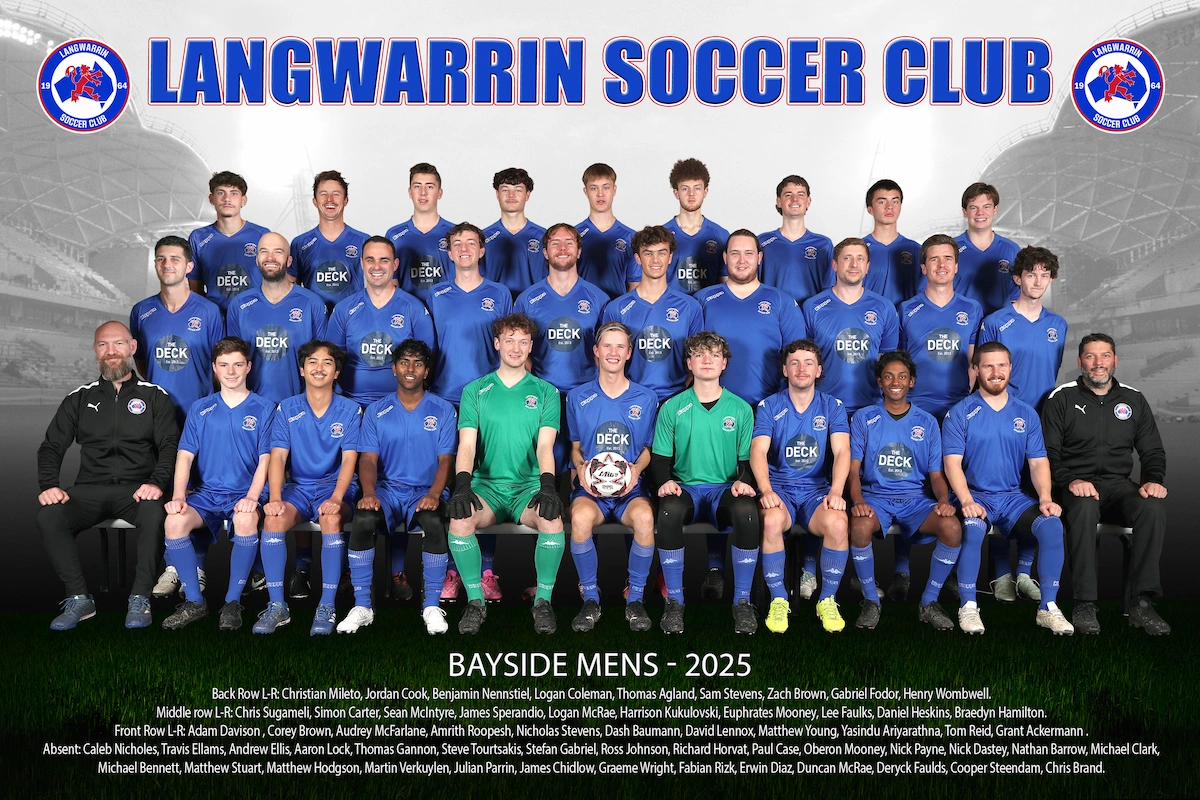
A larger team with complicated lineup preferences needs more time because we’ll take more variations and we’ll refine composition. A smaller team can move faster because fewer people need to settle into position and fewer changes are required.
I’ve learned to set expectations up front. If the schedule is tight, we focus on the core set: one standard lineup, one captain-centered variation, and maybe one dynamic portrait if time allows. If time is generous, we can do more storytelling with different expressions and a few different placements.
This is where being a photographer melbourne clubs can count on matters. Nobody wants to feel like the schedule is constantly drifting. Planning keeps everyone calm.
Parents, coaches, and the human side
There’s a social ecosystem around team portraits. Parents take photos too. Siblings hover. Coaches try to keep order. Sometimes players get distracted because someone called their name, or because someone else is trying to grab the “best” frame for social posts.
I’ve found that the best sessions have one person designated to coordinate players, not because others can’t help, but because it reduces confusion. It might be the coach, a team manager, or an organizer. The photographer focuses on camera and direction. The organizer focuses on keeping players in the right place.
From a professional standpoint, I also communicate clearly during the shoot. If we need everyone to step into position, I explain why in one sentence. If I need a reset, I do it with speed and confidence so the team doesn’t feel like they’re failing.
When it goes well, players leave feeling proud. Coaches leave with photos that look like they represent the club’s standards. Parents feel like the process was handled.
That’s the real behind-the-scenes work. Not just camera settings, but managing attention, movement, and the emotional pace of a group.
A photographer’s gear is only half the story
People assume the gear drives the quality. Gear matters, but it’s rarely the limiting factor.
The limiting factor is whether the photographer knows how to direct a crowd, read the light, and make smart decisions quickly. The camera can be excellent. The lens can be sharp. But if the lighting is wrong, the group is misaligned, or the pacing collapses, the portraits won’t look right.
In sports team portraits, you also need reliability. Teams move. Players arrive at different speeds. You’re often shooting in changing conditions. A pro photographer plans for that. That means being organized, having backup options, and keeping the flow smooth.
If you’ve ever seen a shoot stall because someone had to find a cable or figure out a power issue, you’ve seen what happens when logistics aren’t handled. In Melbourne, where shoots can happen outdoors, at schools, and sometimes across multiple venues in a weekend, that kind of stall can ruin energy and create shadows you can’t control later.
Getting the final result right: selection and delivery
Most clubs don’t need thousands of images. They need a curated set that looks consistent and polished. When I deliver sports team portraits, I’m thinking about the final use cases: website banners, social media posts, printed team sheets, and framed wall photos.
That means selecting images where:
- eyes are open and aligned
- faces are evenly lit
- jersey details are readable
- the group spacing looks intentional
- expressions match the mood the club wants
Selection is where experience shows. A frame can be technically sharp but emotionally off. Another frame might be slightly less “perfect” but the team looks connected and confident. For sports portraits, connection often wins.
Because Melbourne Clubs and players share photos across devices, I also consider how images will crop. A vertical crop for Instagram can cut off hands or faces if the lineup is too tightly framed. A horizontal crop can lose context. I aim for compositions that survive the realities of how people actually share images.
What I’d ask a club before booking
If you’re considering booking a photographer for Melbourne Sports Team Portraits, don’t be shy about asking a few practical questions. A good photographer can explain process, timing, and the plan for your specific team, not just general promises.
Here are the questions that usually matter most when I meet clubs:
- How many players, and how many rows do you expect?
- Are we shooting on grass, in a school setting, or indoors?
- Does the club want one classic portrait or multiple variations?
- What’s the team’s preferred expression style, formal or energetic?
- What’s the schedule buffer if the weather changes?
If the photographer answers clearly, with confidence and real-world examples, you’re likely in good hands. In my experience, the best shoots happen when expectations match reality.
The feeling you want the team to take away
At the end of a portrait session, the best compliment I get isn’t always about technical quality. It’s about how the team felt.
Players remember when you made it easy to stand where they could see, when the direction was clear, and when the photographer treated them like athletes, not just subjects. Coaches remember whether the process respected their time and produced a set they can be proud of. Parents remember if the experience felt organized and calm, not chaotic.
That feeling comes from the unseen craft: scouting, pacing, lighting choices, and communication. It’s what turns a background and a group of uniforms into a portrait that genuinely represents the team.
In Melbourne, where weather can change quickly and schedules can be tight, that behind-the-scenes discipline is the difference between “we took a photo” and a portrait the club wants to keep, share, and celebrate for years.
Pure Sport Images
23 Grandview Ave, Mulgrave VIC 3170, Australia
+61 413 157 614
[email protected]
Website: https://puresportimages.com.au/